
Written by Manjunatha Thyagaraj, founder of Relific Technologies and a leading voice on technology-driven social impact.
What is a Mobile-Based CSR Data Collection Tool?
A mobile-based CSR data collection tool is a smartphone or tablet application that enables organizations to capture, verify, and report Corporate Social Responsibility activities in real-time using geo-location tracking, multimedia documentation, and offline functionality. These tools replace paper-based methods with app-based CSR data systems that improve accuracy, transparency, and stakeholder trust.
In 2026, every social impact leader should have a reliable mobile-based CSR data collection tool. While traditional methods leave teams drowning in manual forms, using an app-based CSR data system allows for real-time verification and 100% transparency.
That's the headache of old-school CSR data collection: it's slow, easy to mess up, and impossible to truly verify if someone questions your numbers. Without real-time, trustworthy insights, CSR managers and ESG officers struggle to show their real impact. Your hard work gets questioned, and stakeholders wonder how authentic your efforts truly are.
This isn’t about a lack of commitment; it’s about trying to meet today’s expectations with yesterday’s tools. The data tells a clear story:
- The Shift is Happening: In India, a "Tech for Good" report found that 81% of organisations prefer mobile apps to drive social impact. The tools CSR leaders trust are digital and mobile-first.
- The Execution Gap: While 68% of organisations are using tech for sustainability, only about one-third feel they're using it to its full potential.
- The Data Problem: Over half of all organisations admit they struggle just to get the right data for their reports.
Without a way to capture information at the source with mobile and geo-location systems, it's nearly impossible to connect your investments to real-world results. This gap between spending and proving is where modern CSR strategies either win or lose.
That is why mobile CSR data collection tools are a real game‑changer. With smartphones, you can capture CSR data directly in the field and use geo‑location to map outcomes instantly. This gives you a faster, more streamlined way to track, measure, and share your CSR impact with clarity and accuracy.
Here’s what you’ll learn in this guide:
- Why a mobile-first approach is non-negotiable for accurate CSR and ESG reporting.
- The core benefits of using apps and geo-location to verify your impact.
- How to choose the right CSR data collection tool for your needs.
- Strategies to measure ROI and build stakeholder trust with verifiable data.
1. Why Traditional Reporting Fails vs. Mobile-Based CSR Data Collection
Automated reporting has improved, but many teams are still stuck on desktops. This creates reporting lags and zero visibility into what's happening on the ground. A mobile-first approach closes this gap by moving data capture to the point of action.

1.1 Mobile Apps: The Next Evolution of CSR Data
Smart mobile apps replace outdated paper forms with digital workflows that work offline, reduce transcription errors, and enforce data quality at the source. Field agents, volunteers, and employees can submit text, geo‑tagged photos, and video directly from the field. This immediacy makes the data more accurate, slashes analysis time, and enables timely, data‑driven action
1.2 Continuous Monitoring vs. Episodic Reporting
App‑based CSR data transforms reporting from episodic snapshots into continuous monitoring. Integrated dashboards turn incoming field data into live visualizations and alerts. Project coverage, participation rates, and potential issues are visible in near real‑time, not weeks later. The result is a holistic operational view that empowers well-informed, faster, and smarter decisions.
1.3 Geo‑Location as the Core
Geo‑location adds critical context. Each data point arrives with coordinates, instantly mapped against project boundaries or risk zones. This ensures activity verification and transparency. With GIS integration, results can be analyzed by location, making it easy to spot coverage gaps, overlaps, or areas needing intervention.
Quick takeaways
-From Static to Mobile: Capturing data in the field, at the source, drastically reduces errors and delays.
- From Text to Rich Media: By using geo-tagged photos, videos, and verified digital signatures, you significantly boost the credibility and quality of your documentation.
- From Reports to Dashboards: Live visualisations allow managers to see project coverage, track progress, and spot anomalies in real time, not weeks later.
- From Claims to Proof: Geo-location adds a critical layer of trust, with location stamps and maps strengthening verification and spatial analysis.
This evolution turns one‑off reporting into a system of continuous, trusted monitoring.
2. 8 Core Benefits of Mobile-Based CSR Data Collection Tools
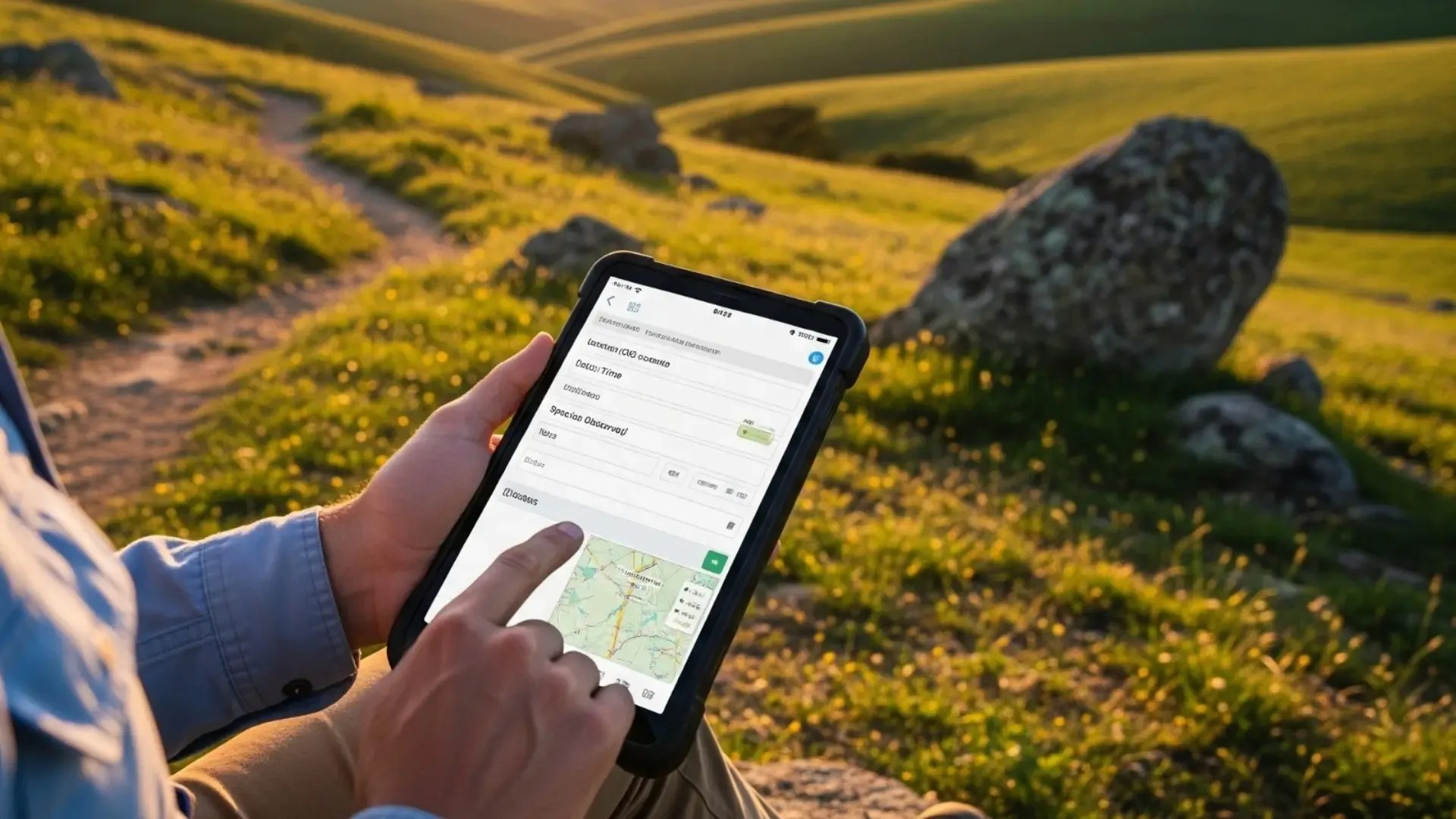
These days, just fancy reports aren’t enough to earn trust. Stakeholders want solid proof, and they want it fast. Mobile data collection changes the game. Instead of waiting weeks for an update, your teams can gather and share data on the spot, right from the field. This means faster reporting, greater transparency, and stronger trust.
2.1. Accessibility & Convenience: Data at the Source
With mobile-based CSR data collection tools, CSR work stays smooth and efficient everywhere, even in locations where laptops and paper forms fall behind:
-
Water Quality Projects: A field worker in a remote village can run tests, log the results, and snap a geo-tagged photo of the sample site, all in seconds.
-
**Tree Plantation Drives:**Volunteers can add GPS-tagged photos and track sapling growth over time, without using a single sheet of paper.
-
Education Programs: Teachers in rural schools can record attendance and performance on tablets, so no student is left behind.
-
Health Camps: Doctors and nurses can register patients on their phones, attach prescriptions, and send updates to central teams instantly.
-
Community Gathering or Panchayat: Organisers can quickly register attendees, share real-time updates, and gather feedback through surveys, ensuring every voice is heard and documented.
The impact is powerful: wherever the project, data moves straight from the ground to the system with no delays, no gaps, and no guesswork.
The impact is powerful: wherever the project, data moves straight from the ground to the system with no delays, no gaps, and no guesswork.
2.2 Accuracy & Reliability: Building Trust in Every Entry
Good data is the backbone of any CSR project, but let's be honest, collecting it in the field can be a real headache. You often end up with mistakes, missing info, or wildly inconsistent formats. Mobile apps solve that by walking your team through a standardised form, complete with required fields and built-in checks.
The result? Way fewer errors and much cleaner records. And since every entry can be backed up with a photo, a quick video, or even a digital signature, the information isn’t just reliable, it's verifiable. This is the kind of data you can audit and share with stakeholders, no hesitation.
2.3 Real-Time Data Flow: Turning Activities into Insights
One of the best things about mobile CSR tools is the speed. The second data is submitted in the field, and it pops up on live dashboards for project managers, CSR leads, or even funders to see. That means no more waiting weeks for reports or digging through endless spreadsheets. You can track attendance at schools, survival rates from a tree plantation, or patient records from a health camp as they're happening. With that kind of real-time view, you don't just observe progress; you can jump in, tweak your strategies on the fly, and get better results.
2.4 Offline Functionality: Reliable Anywhere
Your internet connection shouldn’t decide whether or not your work gets recorded. Many CSR projects happen in remote areas where the Wi-Fi is, well, nonexistent. That’s exactly why offline functionality is so crucial. With mobile CSR apps, your field teams can still capture surveys,
photos, and notes without worrying about a signal. Everything is stored securely on the device and syncs up automatically once they’re back online. Nothing gets lost, and your reporting stays accurate, even in the most hard-to-reach places.
2.5 Scalability & Cost Efficiency: Doing More with Less
Managing multiple projects can feel like juggling spreadsheets, endless reports, and extra staff just to keep up. A mobile CSR app totally changes that. A single platform can handle dozens, even hundreds, of initiatives without adding overhead. Reporting stays consistent, processes stay lean, and your team’s resources stay focused on what really matters: creating an impact, not pushing paper.
2.6 Built for People, Not Just Data
Technology only works if people actually use it. That's why good mobile CSR apps are built to be simple and intuitive. There's no steep learning curve and no complicated menus. Volunteers can log their efforts without fumbling, teachers can update student records in seconds, and healthcare workers can focus on patients instead of wrestling with a screen. The result is tech that actually helps people, not the other way around.
2.7 Adaptable to Every Project
No two CSR projects are ever the same. A school program tracks attendance, while a health camp records prescriptions, and an environmental project might measure deforestation rates. Trying to cram them all into a one-size-fits-all system just doesn't work. Mobile CSR apps solve that with pure flexibility. You can customise the forms and workflows for each project, so your teams capture only the truly important info, nothing more, nothing less. This means you get data that's relevant, accurate, and directly linked to the impact you're making.
2.8 Turning Proof into Stories
Data alone can feel a bit dry. But when you add a photo of a new classroom, a short video from a tree planting, or a voice note from a doctor at a health camp, the numbers suddenly mean something. They become stories. Mobile CSR apps make this possible by embedding multimedia right into the reporting process.
Every update isn't just a statistic; it's backed by faces, places, and voices from the field. That transforms your reports into evidence that's measurable, relatable, and genuinely worth sharing.
In short, mobile devices capture the data, and CSR apps turn it into evidence, insight, and trust. Together, they shift CSR from something you just manage to something that's lived, proven, and felt in real time.
Quick Tip: Mobile-based CSR data collection tools with offline functionality ensure zero data loss in remote areas where connectivity is limited.
3. How Geo-Location-Based CSR Data Transforms Impact Measurement
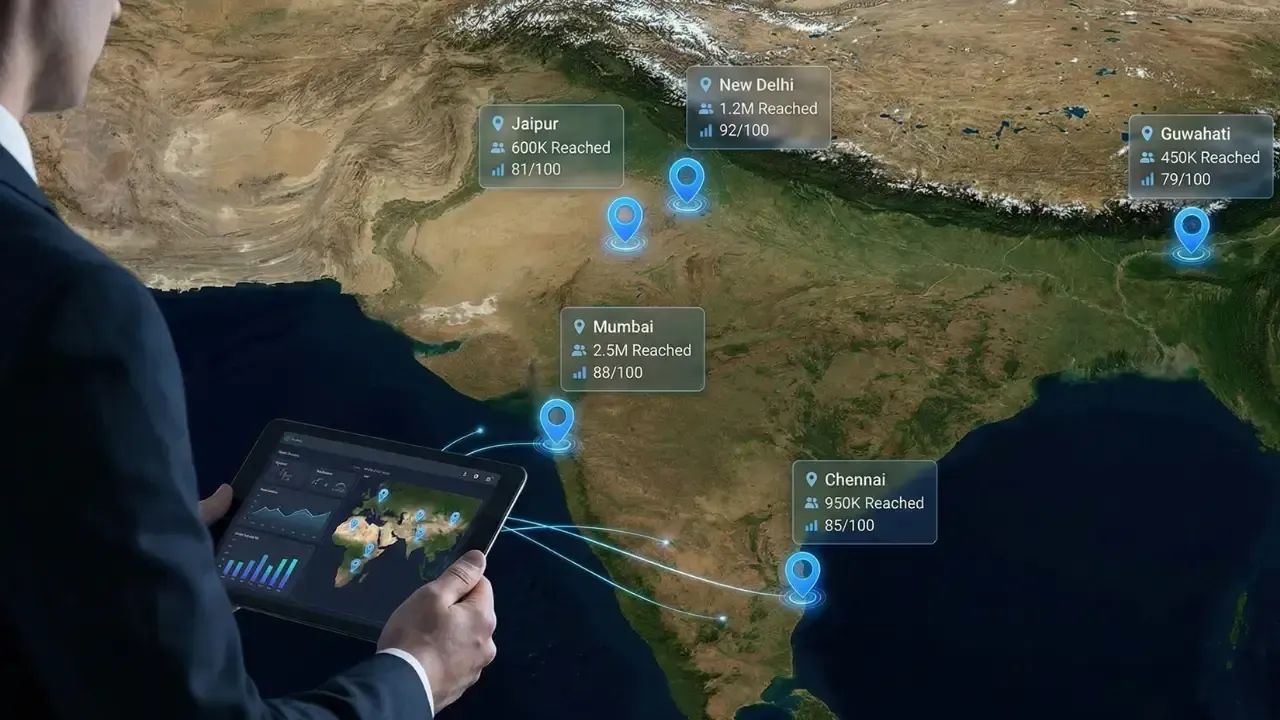
Geo-location-based CSR data steps in as a game-changer here. Every initiative tracked through app-based CSR data collection gets tagged with precise coordinates No more room for ambiguity, stakeholders can see exactly where, when, and how results are delivered. This kind of real-time accountability builds trust and lets organisations make strategic decisions backed by solid data. Basically, it’s taking guesswork off the table and delivering real proof of impact that everyone can stand behind.
3.1 Pinpoint Accuracy: Turning Data into Truth
Geo-tagged entries allow for complete transparency. Each tree planted, every health check, and all community meetings are precisely tracked and location-verified, so there’s no room for ambiguity. This adds a dependable layer of proof, turning simple reports into auditable, trustworthy records that stakeholders can genuinely count on.
Real-World Impact
-
Environmental Monitoring: NGOs tackling deforestation can map illegal logging zones and monitor reforestation progress with precision. Geo‑tagged photographs provide verifiable evidence of environmental changes, ensuring accountability and measurable impact.
-
Education Programs: High-need schools can be pinpointed using socio-economic map data, and each classroom visit gets geo-tagged, providing a solid audit trail that proves educational programs are actually happening where they’re needed most.
-
Infrastructure Projects: From wells and toilets to community centers, construction progress can be tracked from ground‑breaking to operational status. Resources and funds are clearly allocated and verified, ensuring transparency in delivery.
-
Community Engagement: Every meeting, training, or participant registration comes with an automatic geo-stamp. This creates a digital record of engagement, so coverage and outreach efforts are easily verifiable no guesswork necessary.
-
Disaster Response: Real-time geographic data enables organisations to rapidly assess affected regions, prioritise aid distribution, and allocate resources where they’re needed most during critical situations. In other words, relief gets where it has to go quickly, based on solid data.
3.2 Visualising and Measuring Impact
Geo-location goes far beyond simple verification; it transforms raw data into meaningful insights. Interactive maps, heatmaps, and spatial analysis tools help teams pinpoint:
- Where efforts are currently concentrated
- Where service gaps or underserved areas remain
- How projects are evolving over time
These visualisations give CSR teams clearer oversight. With these tools, teams can respond faster and make more informed, evidence-driven decisions, ultimately boosting both efficiency and overall impact.
3.3 Building Trust Through Transparency
For donors, regulators, and auditors, integrating geo-location offers strong, undeniable credibility. Each record includes coordinates, timestamps, and even options for photos or videos, creating a transparent, traceable, and fully auditable history. This heightened level of openness builds trust among stakeholders, streamlines reporting, and can be a real driver for attracting new partnerships or additional funding.
By using geo-location, CSR efforts move well beyond basic activity tracking; they become genuinely strategic. Every initiative is measurable, verifiable, and clearly demonstrates impact, turning routine data into concrete, real-world evidence of positive change.
4. Mobile + App-Based CSR Data + Geo-Location: The Power Trio
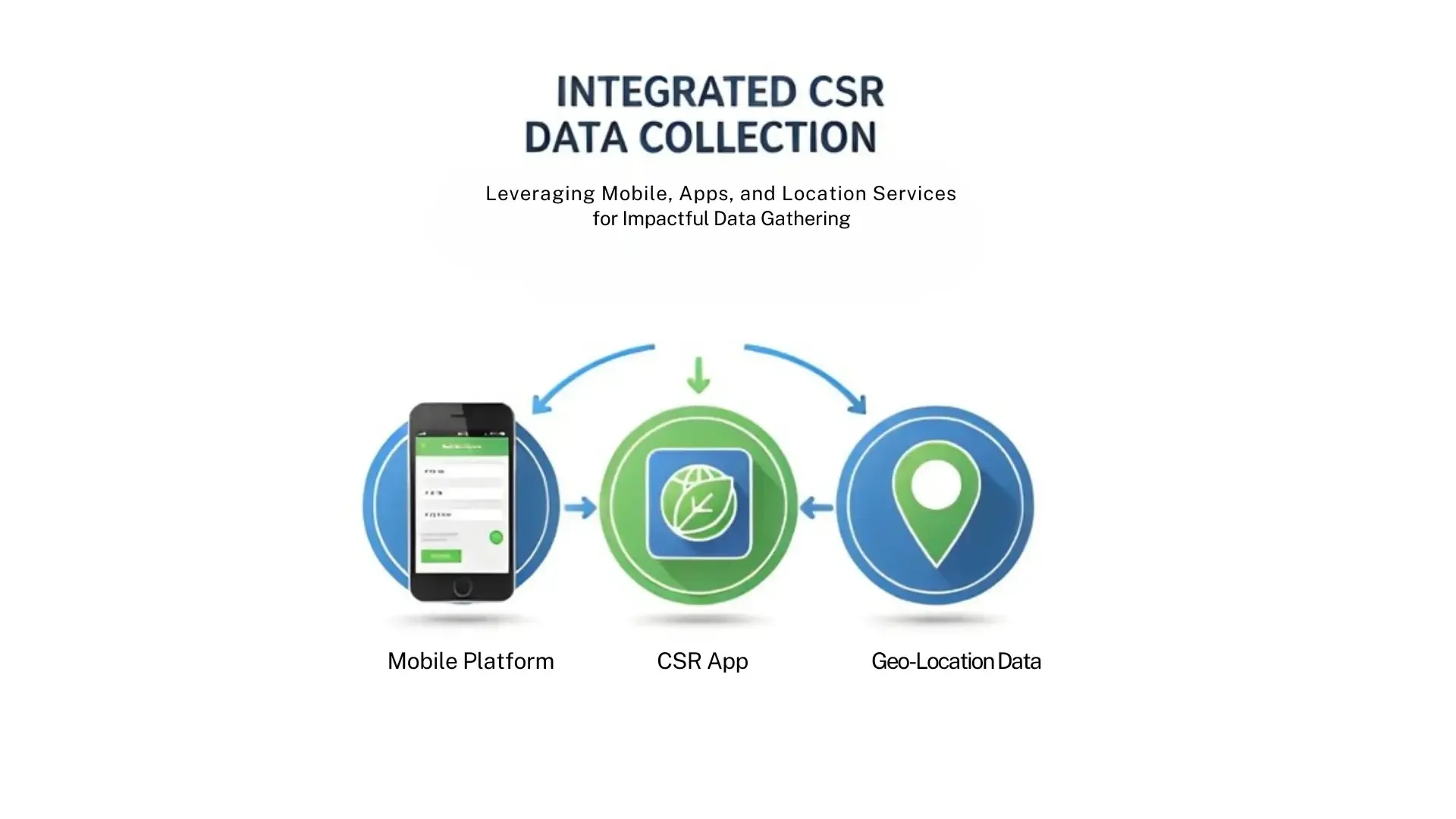
CSR should go beyond mere activity logging. The focus needs to shift towards demonstrating tangible impact, building trust, and facilitating data-driven decisions in real-time.. When you connect these three technologies, you get a robust system that turns field operations into actionable, auditable insights. In other words, you move from checking boxes to generating real business value, all in real time.
4.1 Why Integration Matters
-
Mobile Devices: Allow teams to gather data directly at the source, whether that’s a rural community or a bustling city centre, enabling fast, adaptable field reporting.
-
App-Based CSR Tools: With dedicated CSR apps, information is collected through tailored forms and guided workflows, even supporting photos and videos. This ensures each entry is accurate, consistent, and truly valuable.
-
Geo-Location: It’s the verification layer. Each activity is instantly tagged with its location, generating a reliable, auditable trail that donors, regulators, and stakeholders can trust.
The formula is simple: Mobile + Apps + Geo-Location = End-to-End Trust
4.2 Real-World Impact: Proof in Action
Imagine a non-profit organisation coordinating aid distribution after a major disaster. Field staff utilise a mobile app to record every delivery, capturing recipient information and photographs. The app automatically logs the precise location and timestamp for each entry. Together, these details create solid, verifiable evidence that support has reached the correct community, helping prevent delays, errors, and confusion down the line.
4.3 Strategic Advantages
-
Maximised Efficiency: Streamline field operations and minimise unnecessary administrative work.
-
Enhanced Transparency: Every action is recorded, giving donors and regulators real peace of mind.
-
Actionable Insights: Geo-enabled, app-based dashboards highlight gaps, show trends, and point to key opportunities for growth.
-
Scalable Impact: From one project to a hundred, this integrated system maintains consistency, accuracy, and audit readiness every step of the way.
5. Case Study: The "Clean Water Initiative" in Rural Peru
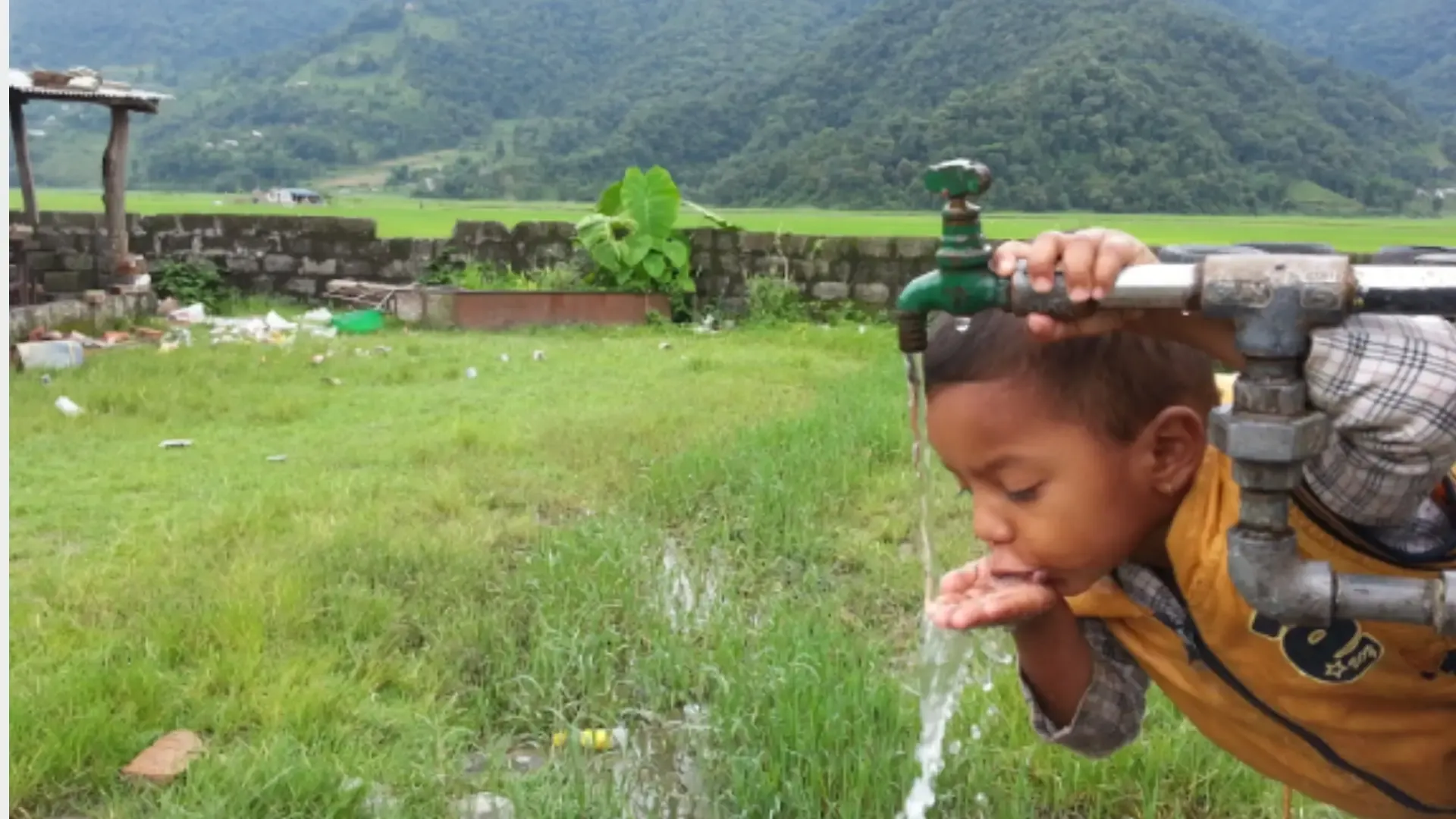
The Challenge: This company was installing water filtration systems way out in remote Andean villages, but their paper-based reporting was, frankly, a bureaucratic mess. Managers couldn’t reliably track where each system was located or whether it was even working. Basically, there was zero visibility or verification, making accountability a serious headache.
The Solution: They implemented a mobile CSR data collection tool with geo-location. Field agents used smartphones to:
- Geo-tag each filtration system with exact coordinates.
- Capture geo-tagged photos and videos of the installation.
- Record water flow rates and community feedback in digital forms.
The Results:
- CSR managers now have access to a user-friendly live map, showing every installed system complete with photos and performance data. Real-time, clear oversight at their fingertips.
- Reporting is now immediate and reliable, cutting out errors and making everything fully auditable. No more second-guessing numbers.
- Stakeholders can actually see the impact through transparent, visual evidence. This kind of clarity really increases trust and gives everyone much more confidence in the program.
Key Takeaway: This integration transformed what used to be a logistical hassle into a sharp, scalable CSR operation easy to trace, and, honestly, you can see its impact, even way out in the most remote regions.
6. How to Choose the Right Mobile CSR Data Collection Tool
| Solution Type | Example | Pros | Cons |
|---|---|---|---|
| Simple Mobile Forms | Google Forms with location services | • Free or very low cost<br>• Quick setup<br>• Minimal training needed | • Limited functionality<br>• Not designed for CSR<br>• No dashboards or advanced analytics |
| Purpose-Built CSR Platforms | Dedicated mobile CSR platforms | • Robust CSR-specific features<br>• Integrated dashboards<br>• Advanced analytics & reporting<br>• Multimedia + geo-location support | • Higher subscription/licensing costs<br>• Staff training required<br>• Steeper learning curve |
| Custom-Built Solutions | Enterprise-developed internal tools | • Fully tailored to organizational needs<br>• Seamless integration with internal systems<br>• Scalable and flexible | • High development + maintenance costs<br>• Requires in-house technical expertise<br>• Longer implementation timeline |
7. Top CSR Tools in India Comparison: Features & Best Use Cases
| Tool | Key Features | Strengths | Best Use Cases |
|---|---|---|---|
| Relific | Mobile data collection; Advanced geo-tagging; Customizable forms; Real-time dashboards; Offline functionality | Robust geo-location; Customizable field data capture; Ideal for remote operations | Environmental monitoring; Supply chain auditing; Project verification; CSR impact measurement |
| Benevity | Employee engagement & giving; Volunteering tracking; Mobile app for hours; Event geo-check-ins | Strong HR/payroll integration; Real-time impact tracking; Employee engagement focus | Corporate volunteering; Employee giving campaigns; Community impact tracking |
| Submittable | Application & grant management; Mobile-responsive; Geo-tagged photo uploads; Centralized submissions; Customizable forms | Efficient content collection & review; Streamlined workflows; Flexible submission management | Grant applications; Proposal submissions; Community investment requests |
| Workiva | ESG & financial reporting; Data integration; Mobile dashboards; External geo-data integration | End-to-end ESG reporting; Team collaboration; Audit-ready compliance | ESG disclosures; Financial reporting; Internal compliance data consolidation |
| Goodera | AI-powered CSR platform; Volunteering & giving; Mobile engagement app; Limited geo-verification | Scalable CSR programs; Employee-centric initiatives; Impact reporting | Employee volunteering; Skilled volunteering; CSR impact measurement |
| EcoVadis | ESG ratings; Supply chain sustainability assessments; Supplier evidence portal; Location-based audits | Comprehensive ESG benchmarking; Supplier performance tracking; Responsible sourcing | Supply chain risk management; Sustainability benchmarking; Global sourcing compliance |
8. Measuring CSR ROI with App-Based Data Collection
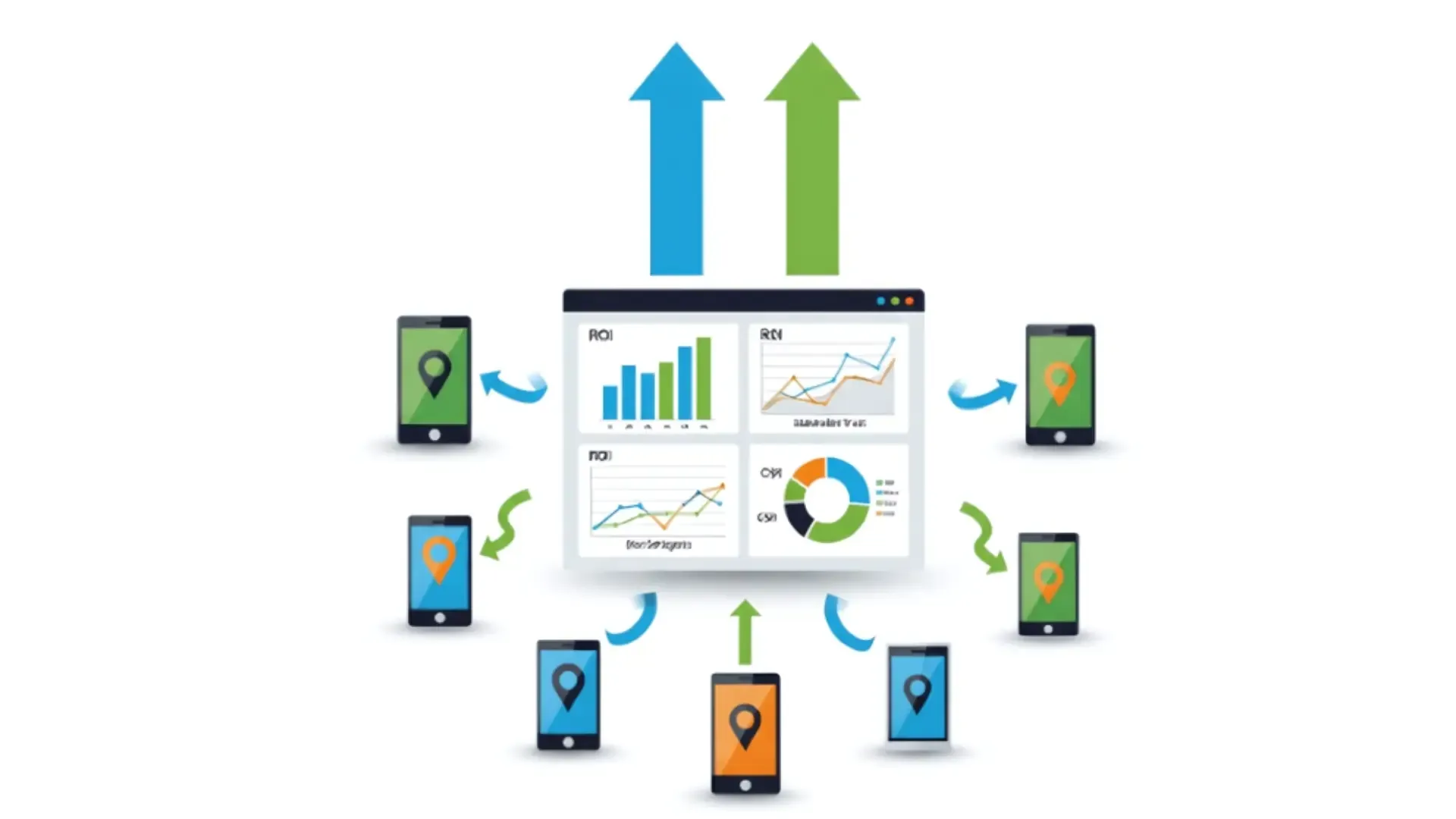
For years, corporate social responsibility (CSR) was treated like a checkbox exercise. A few polished lines in the annual report, a feel‑good press release, and the hope that no complaints made too much noise was the routine.
But the reality has shifted. CSR isn’t just a budget drain or “fluff” anymore. When approached strategically, it can strengthen your brand, unlock new markets, and deliver measurable returns.
So why is everyone rethinking CSR now? The answer is simple: technology. With smartphones in every hand and location tracking built into every device, organizations finally have the tools to capture verified, real‑time data from their CSR initiatives. No more vague claims or staged photo ops, this is hard proof you can take to the boardroom.
The impact is transformative. You can show, not just tell, how your CSR programs drive change, reduce risk, and create tangible business value. That’s where the story changes: CSR evolves from a compliance exercise into a competitive advantage.
8.1. Spot Problems Before They Become Headaches
Every CSR leader knows the frustration of realising a project went off track long after it was too late. Geo-data fixes that. By giving you a live window into your fieldwork, you can catch small cracks before they turn into budget-busting disasters.
Real-world example: A clean water project in rural India kept replacing broken filters in one community, burning through resources. A geo-tagged report flagged the issue in real time: a hidden crack in the filtration unit’s housing. Instead of wasting money on endless filter replacements, the team repaired the root problem right away, saving funds and keeping safe water flowing to families.
8.2. Build Trust & Boost Your Brand’s Credibility
CSR backed by proof hits differently. When stakeholders see verified data, your ESG promises stop sounding like corporate buzzwords and start looking like real commitments. That kind of transparency builds credibility with investors, partners, and even customers.
Real-world example: A renewable energy company opened up a public dashboard showing geo-verified data from their solar panel installations in schools. Over 90% were consistently active and maintained. For investors, that wasn’t just impressive reporting it was hard proof. The result? A major new funding round powered the company’s next expansion.
8.3. Supercharge Your Operational Efficiency
Let’s be honest, paperwork kills momentum. Manual surveys, endless data entry, and clunky reports pull your team away from the work that really matters. Mobile CSR tools automate these tasks, freeing up time and energy for impact.
Real-world example: A healthcare NGO digitised its vaccine tracking process. What used to take three weeks of surveys and spreadsheets was condensed into just three days. With all that time freed up, the team launched two extra vaccination drives every month, directly reaching more families and saving lives.
8.4. Strengthen Relationships with Stakeholders
Stakeholders don’t just want updates; they want to feel connected to the change they’re supporting. When you combine geo-location with photos, videos, or on-the-ground evidence, you create that connection. It’s the difference between “telling” a story and showing it unfold in real time.
Real-world example: An education nonprofit began sending donors geo-tagged images of new classrooms in use. Instead of vague updates, donors saw kids sitting at desks, learning in spaces they helped build. That personal touch boosted donor retention by 30% because when people see their impact, they stick around.
9. Common Hurdles and How to Overcome Them
Implementing these tools brings huge benefits, but success requires addressing a few key challenges head-on.
9.1 Data Privacy and Ethics
- The Challenge: Gathering location and community data isn’t something to take lightly. There’s real responsibility here.
- The Solution:
- Always obtain clear consent from participants.
- Anonymise sensitive personal data to protect identities.
- Use secure, encrypted platforms to prevent data breaches.
9.2 The Digital Divide
- The Challenge: Not everyone has a smartphone, stable internet, or digital literacy.
- The Solution:
- Choose tools with excellent offline functionality.
- Provide devices and hands-on training to local teams.
- Design simple workflows that work in low-resource environments.
9.3 Team Adoption and Training
- The Challenge: The best tool is useless if your team doesn't adopt it.
- The Solution:
- Provide comprehensive training tailored to different user roles.
- Clearly communicate the benefits for them (less paperwork, more visible impact).
- Establish an ongoing support system and listen to user feedback.
10. Ready to Get Started? Don't Overthink It!
Find the Right Platform: Look for a mobile-based CSR data collection tool with the essentials: offline access, automatic geo-tagging, and app-based CSR data dashboards.
- Pilot a Project: Pick one specific initiative, maybe a clean water program or a local education drive and test mobile data collection in just one area.
- Define Success: What does success actually look like? Is it lower costs, faster reporting, or more engaged donors? Pinpoint the 3-5 key metrics you'll track.
- Find the Right Platform: Look for a CSR tool with the essentials: offline access (for remote areas), automatic geo-tagging, and easy-to-read dashboards.
- Train Your Team: A tool is only as good as the people using it. Provide hands-on training so your field workers feel comfortable and confident, making data collection second nature.
- Measure, Review & Scale: Compare your pilot's results to your old methods. If you see better efficiency and greater impact, you'll know it's time to roll the program out to more projects.
Modern CSR isn't just about doing good; it's about proving it. By using the right technology, you can turn your "feel-good" costs into a strategic growth driver where impact and ROI go hand-in-hand.
11. Conclusion: Driving Transparent, Impactful CSR with Mobile Tools
The future of CSR is mobile, intelligent, and provable. Smartphones, geo‑location, and AI‑driven analytics have transformed CSR from a compliance checkbox into a measurable growth driver. Companies can now capture verifiable field data, streamline reporting, and present audit‑ready proof that builds trust with stakeholders and strengthens ESG performance.
This isn’t a “nice‑to‑have” anymore, it’s table stakes. Organizations that adopt mobile CSR platforms gain transparency, efficiency, and credibility, while those that don’t risk falling behind.
That’s where Relific comes in. With advanced geo‑tagging, customizable forms, offline functionality, and real‑time dashboards, Relific empowers businesses to turn CSR initiatives into strategic assets. From environmental monitoring to supply chain auditing, Relific ensures every project is not just recorded but proven, optimized, and celebrated.
Ready to future‑proof your CSR strategy? Adopt Relific today and transform your impact into measurable results.
About the Author
Manjunatha Thyagaraj is a visionary at the forefront of technology and social impact. As the founder of Relific Technologies, he created an enterprise-grade social impact intelligence platform dedicated to empowering CSR and social sector organizations. His deep expertise lies in building innovative solutions that enable businesses to not only meet compliance but also accurately measure and amplify their social and environmental impact. With a strong commitment to driving sustainable change, Manjunatha's work helps organizations transform their CSR initiatives from a mere obligation into a powerful tool for strategic growth and measurable, real-world change.
FAQS
Mobile‑based CSR data collection uses smartphones, tablets, or apps to capture CSR activity data in real time. Field teams, volunteers, or employees can submit text, geo‑tagged photos, and videos directly from the source. This approach replaces paper forms, improves accuracy, speeds up reporting, and enhances transparency. Organisations gain immediate access to up‑to‑date information, strengthening oversight and decision‑making.
Geo‑location CSR tools collect precise coordinates and sometimes sensitive community data. To protect privacy, organisations must secure consent, anonymise personal details, and use encrypted storage and transmission. These safeguards go beyond compliance they build trust with communities, donors, and stakeholders while protecting reputation.
Small businesses can start with affordable mobile apps or geo‑tagging forms. Equipping staff or volunteers with devices and tracking key impact metrics ensures initiatives are verifiable. As programs grow, businesses can adopt purpose‑built CSR platforms with advanced analytics, dashboards, and reporting.
GIS (Geographic Information Systems) are advanced tools for mapping and analyzing spatial data, often used in research or environmental planning. Geo‑location CSR data focuses on real‑time tagging of CSR activities such as project sites or volunteer events enabling immediate verification, accountability, and impact reporting.
Mobile and geo‑location CSR tools capture reliable field data with photos, videos, and location tags. Organisations can verify activities, showcase impact on interactive maps, and generate audit‑ready reports. This simplifies ROI measurement, strengthens transparency, and builds stakeholder confidence.
Yes. Mobile CSR platforms often integrate with employee engagement tools, ESG reporting systems, and CRMs. This centralises data management, ensures consistent analytics, and makes scaling CSR programs easier while maintaining transparency and accountability.
Most mobile CSR tools are designed for ease of use, with intuitive interfaces, offline functionality, and multilingual options. Short training sessions, quick guides, or “train‑the‑trainer” models help adoption. Vendors prioritise accessibility, so the learning curve is minimal.
Mobile CSR apps typically include offline functionality. Field staff can collect and store data without connectivity, then sync automatically once back online. This ensures reporting continues seamlessly, even in remote regions.
Costs vary. Small businesses or NGOs can start with free or low‑cost geo‑tagging apps, while larger organisations may invest in comprehensive platforms with advanced analytics. By reducing paperwork, errors, and admin overhead, these tools often deliver strong ROI over time.
Mobile CSR tools can track environmental, social, and governance (ESG) metrics alongside CSR indicators. This streamlines compliance reporting, supports investor inquiries, and highlights sustainability performance without duplicating effort.
The next generation of CSR tools will integrate AI and IoT. AI can flag anomalies in field data, while IoT sensors feed environmental metrics (e.g., water usage, air quality) directly into dashboards. These innovations make CSR reporting more precise, automated, and reliable.